

Soccer Gear Ohio Parents Say are Worth Every Penny
Every soccer family has at least one purchase that makes them wonder, “Why didn’t we buy this sooner?”
Maybe it is the boot dryer that saves a pair of soaked cleats before the next morning’s game, the wagon that carries half your house across a tournament complex, or the gear bag that keeps your car from smelling like a locker room. The best soccer purchases are not always the newest or most expensive—they are the ones that solve the problems your family faces every week.
We recently asked Ohio Soccer Moms and Dads, “What’s one soccer purchase you’ve made that ended up being worth every penny?” Parents shared their favorite gear, sideline essentials, training tools, and soccer-parent survival products. We gathered the most-recommended ideas to help you decide which purchases might make your family’s soccer season a little easier.
This post contains affiliate links, which means Soccer Moms and Dads may earn a small commission if you purchase through one of these links, at no additional cost to you. We have also included links to several OSMD Insider businesses that offer products, services, or training related to the recommendations shared by our community.
The discussion brought out plenty of laughs, a few parent survival strategies, and some genuinely useful ideas. The biggest takeaway? The best purchase is not always the most expensive one. It is usually the item that solves your family’s most frequent soccer problem.
For some families, that problem is wet footwear. For others, it is carrying equipment across a huge tournament complex or staying warm on a cold sideline in Cleveland, Cincinnati, Columbus, Dayton, or Toledo.
Here are the community’s most repeated recommendations.
1. A boot dryer solves the wet-cleat problem
The clear favorite in the discussion was the boot or cleat dryer. Parent after parent mentioned one, including families who use theirs for both soccer cleats and goalkeeper gloves.
Ohio weather makes the appeal obvious. A player may leave for practice with dry footwear and come home with cleats soaked by rain, dew, mud, or a wet field. Then the same gear may be needed again the next day.
A dryer can make the post-practice routine easier by giving wet gear a dedicated place to dry overnight. Goalkeeper families also mentioned models that can accommodate gloves.
One commenter specifically referred to an ozone feature. If you choose a dryer with added functions such as ozone or heat, read and follow the manufacturer’s instructions carefully. Avoid excessive heat or using a setting that could damage leather, adhesives, foam, or goalkeeper glove materials. My original boot dryer that I used for years was a $20 boot dryer from Aldi. It did the job. I’m told that a HedgeHog Dryer is the best and after looking at the options to dry multiple pairs of boots and gloves at a time and in 15-30 minutes I think I might give it a try.
The community’s practical message was simple: if wet cleats are a recurring issue, a boot dryer may be one of the most useful pieces of youth soccer equipment you buy.
2. Salt Athletic bags and other odor-control gear bags
The second major theme was the Salt Athletic Bag, often called a “salt bag” in the comments. Several parents described it as a must-have for storing cleats and athletic gear after games and practices. If you purchase anything from Salt, consider using my discount code OSMD10 it will give you 10% off and give me a small commission on your purchase.
The problem it solves is familiar: cleats sitting in a regular soccer bag, trunk, hotel room, or garage and making everything around them smell like a locker room.
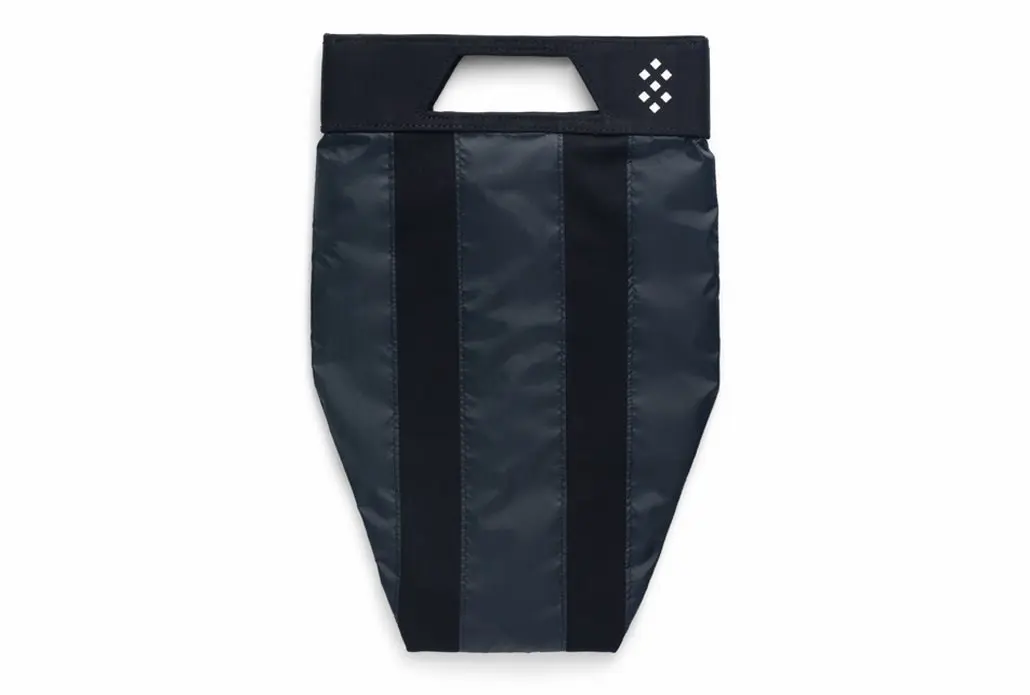
The Salt Athletic Aērcase Cleat Bag is designed specifically for cleats and other small athletic items. The company describes it as a water-resistant, odor-control bag that can also hold shin guards and personal items. Families considering it should review the current product details, sizing, care instructions, and warranty directly from the manufacturer.
This is not an independent product test or a guarantee that one bag will work the same way for every family. But based on the Facebook discussion, odor control is a major quality-of-life concern: and this type of dedicated gear bag came up repeatedly. My kids have been using Salt bags for 3 years and I almost forget how bad my kids stink until they try to not use the bag and then I’m quick to remind them. Another life saver for my family of 8 has been the Pitch Pack. At a glance I can see that my kids have everything they need for the weekend, fold it up and into the bag. Everything stays organized nothing gets dirty (prematurely). If you do buy a Pitch Pack you can use my discount code OSMD10 for a 10% discount.
3. Reusable shoe deodorizers and inserts
Some families recommended reusable shoe deodorizers and inserts, including products similar to NonScents Shoe Deodorizers.
These are a smaller and often simpler option for parents who want to manage cleat odor without buying a dedicated bag. The community discussion included a parent who said the inserts made a dramatic difference during car rides with multiple teenage players.
A good routine matters. Let wet or muddy gear dry as much as possible first, then place the deodorizer inside the cleats. Airing out shoes also gives you a chance to check for damaged insoles, loose studs, or other problems before the next session.
Deodorizers can help with odor, but they do not replace basic gear care. Remove muddy debris, dry the cleats properly, and avoid leaving wet equipment sealed up for long periods.
4. Wagons make tournament days much easier
A collapsible wagon was another frequent recommendation. Parents mentioned using wagons to carry:
- Canopies and umbrellas
- Folding chairs
- Coolers and water jugs
- Soccer bags and balls
- Extra clothing
- Snacks and equipment for siblings
One parent specifically praised a wagon with oversized off-road wheels. That detail matters when you are moving across grass, gravel, uneven paths, or a muddy tournament complex. This is a link to an Originsure wagon we bought an Originsure wagon a few years ago and it is still going strong. The exact one that I have doesn’t seem to be available anymore, but I thought I would share what I could.
A wagon may feel unnecessary during a single Saturday game close to home. After a full weekend of matches with distant parking and multiple fields, it can become one of the most practical purchases in your trunk.
Before buying, consider the wagon’s folded size, weight limit, wheel design, handle, and whether it fits in your vehicle. The right model depends on whether you are carrying one player’s gear or supplies for the entire family.
For tournament planning, our fall tournament guide is another helpful resource for Ohio soccer families.

5. Sideline comfort is worth investing in
Parents also shared plenty of gear for the people watching the game.
Cold Ohio sidelines can be tough, especially during early-morning matches or late fall tournaments. Recommended items included:
- Heated chairs with canopies (this feels like overkill, but hey, you do you)
- Heated vests, jackets, pants, and socks
- Rechargeable hand warmers
- Neck warmers (on more than one occasion, I have gone to CVS and snagged a pack of these ThermaCare pads for a game)
- Long parkas
- Padded bleacher seats
- Giant golf umbrellas
- Rain suits and rain boots
- Misting fans for hot days
This category is easy to underestimate. A parent may tolerate one chilly game with a thin jacket. Six hours outside over a tournament weekend is a different story.
A good sideline purchase can help you stay comfortable enough to focus on the game rather than counting the minutes until the final whistle. Just remember to keep umbrellas, canopies, and chairs positioned safely and clear of walkways, team areas, and other spectators.
6. Buy soccer cleats for the surface: and for the player’s feet
Several comments focused on the value of properly fitted soccer cleats and understanding the difference between playing surfaces. We have been buying our soccer cleats at Soccer Village. They have experts on hand to measure your players foot and they can order in shoes if they don’t have what you need on hand. They are also locally owned and OSMD Insiders.
Ohio players may move between natural grass, outdoor synthetic turf, indoor turf, and gym floors used for futsal. The right footwear can vary by facility, so ask the coach, club, league, or indoor center what is allowed before purchasing a new pair.
In general:
- Natural grass often calls for molded firm-ground cleats.
- Outdoor or indoor turf may have different recommendations depending on the field and facility rules.
- Futsal and gym floors typically require flat, non-marking indoor shoes rather than outdoor cleats.
Fit comes first. Cleats should feel secure without creating painful pressure points, and players should have enough room to move their toes. The most popular brand is not automatically the best choice for every foot.
One parent mentioned buying Nike cleats with a two-year warranty. Nike’s official footwear warranty information explains that eligible material or workmanship flaws may be inspected within two years of the manufacture date, with normal wear and tear excluded. Keep your receipt and check the current policy before relying on warranty coverage.
7. Supportive insoles may improve comfort for some players
Cleat insoles and supportive inserts also appeared in the discussion. One parent said an insert helped their daughter feel more supported and experience fewer ankle rolls. My kids have needed inserts and heel braces throughout the years. You can read our post about Sever’s Disease here. That post was written almost 8 years ago, and we have been through a lot of insoles, heel cups and shoes and we never were shoes without added support.
That is from personal experience, not medical advice or proof that a particular insole will prevent injury. Every player’s feet, movement patterns, and needs are different.
If your child has recurring pain, instability, or ankle concerns, speak with a qualified medical professional. For everyday comfort, make sure any insert fits properly inside the cleat and does not make the shoe too tight.
8. Individualized training can be a valuable investment
Not every worthwhile soccer purchase fits in a gear bag. Several parents said private, academy, or small-group training was their best investment.
Comments mentioned Quick Touch Soccer Development, also known as QTSD (they are also OSMD Insiders), along with Zoran Soccer and AGA Trainings. The important theme was not that one organization is objectively best. It was that individualized coaching helped their players work on specific needs, including:
- Passing accuracy
- First touch
- Footskills
- Confidence
- Position-specific development
A private session may be especially useful when a player has a clear goal or needs instruction that is difficult to get in a large team setting. Before signing up, ask about coaching experience, session size, communication, cost, and how the training will support your child’s current club environment.
You can explore local options through our training and camp guides and soccer training directory.
9. Backyard equipment creates more chances to play
Parents also recommended simple backyard training tools, including:
- Rebounders (this quickplay rebounder is what we have at our house)
- Soccer tennis nets
- Small-sided goals
- A house ball
These purchases solve a different problem: finding more opportunities for touches outside scheduled practice.
A rebounder can support passing and receiving work. A soccer tennis net can make casual practice more engaging. Small-sided goals can turn a driveway, yard, or open park space into a place for a quick game.
One parent shared that their small-sided goals had lasted for decades and were now being used by the next generation. That is a great family story, but it should not be treated as a guarantee for every product. Look for sturdy construction, safe setup, and a size appropriate for your player.
10. Do not forget recovery, protection, and backup gear
The final group of recommendations covered the items that help families handle the less glamorous parts of soccer.
Parents mentioned:
- Ice packs
- A Breg ice machine
- Washable shin pads or shin-pad sleeves
- Extra cleats for players who frequently forget them
- High-quality footwear (check out OSMD Insiders: Soccer Village)
- A dedicated soccer bag
Some of these purchases are about convenience. Others are about having a plan when a player gets bumped, gear gets wet, or someone arrives at the field missing an essential item.
One lighthearted part of the discussion included snacks, gummies, and adult beverages for parents. We will leave the exact sideline menu to each family, but the larger point remains: tournament preparation is about the whole family, not just the player.
The best purchase is the one that solves your recurring problem
The Ohio Soccer Moms and Dads discussion did not produce one universal winner. It produced a useful way to think about soccer spending.
If your family battles wet cleats, start with a dryer. If the car smells after every practice, consider an odor-control bag or reusable inserts. If tournament days involve long walks and too much equipment, a wagon may be the answer. If cold sidelines are wearing you down, invest in weather gear for the spectator who keeps showing up.
And if your player wants to improve a particular skill, individualized coaching or simple backyard equipment may provide more value than another piece of apparel.
Community recommendations are helpful starting points, but they are not independent product testing. Check manufacturer instructions, club and facility rules, and current product information before buying. For injury concerns, pain, or questions about supportive equipment, consult a qualified medical professional.
For more resources for Ohio soccer parents, including club information, tryouts, leagues, tournaments, and training opportunities, visit the Ohio Soccer Moms and Dads website.
